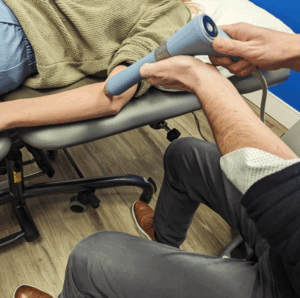
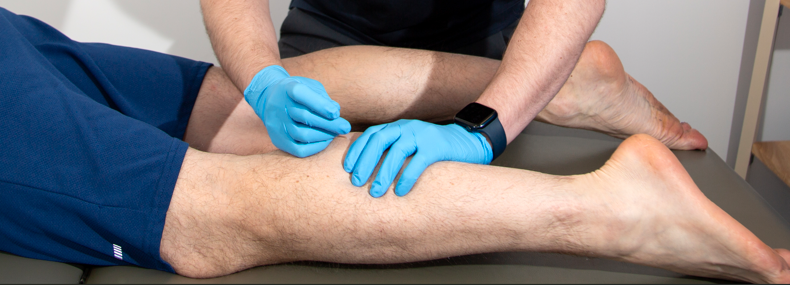
If you live with knee osteoarthritis (OA), you’ve probably heard some version of: “Keep moving and strengthen your legs.” And that advice is solid—exercise is one of the best-supported ways to improve pain and function over time. But many people still wonder, “Is there anything else that could help on top of exercise?” A recent clinical trial looked at that exact question by comparing an exercise program with IMS/ dry needling versus the same exercise program without real needling.
Quick refresher: what is dry needling?
Dry needling (also commonly known as intramuscular stimulation/ IMS), uses a very thin needle to target sensitive, tight spots in muscle (often called trigger points). It’s not the same as acupuncture, and the goal isn’t “energy flow”—it’s more about helping relax and calm down overactive or guarded muscle and reducing pain sensitivity, so movement feels easier.
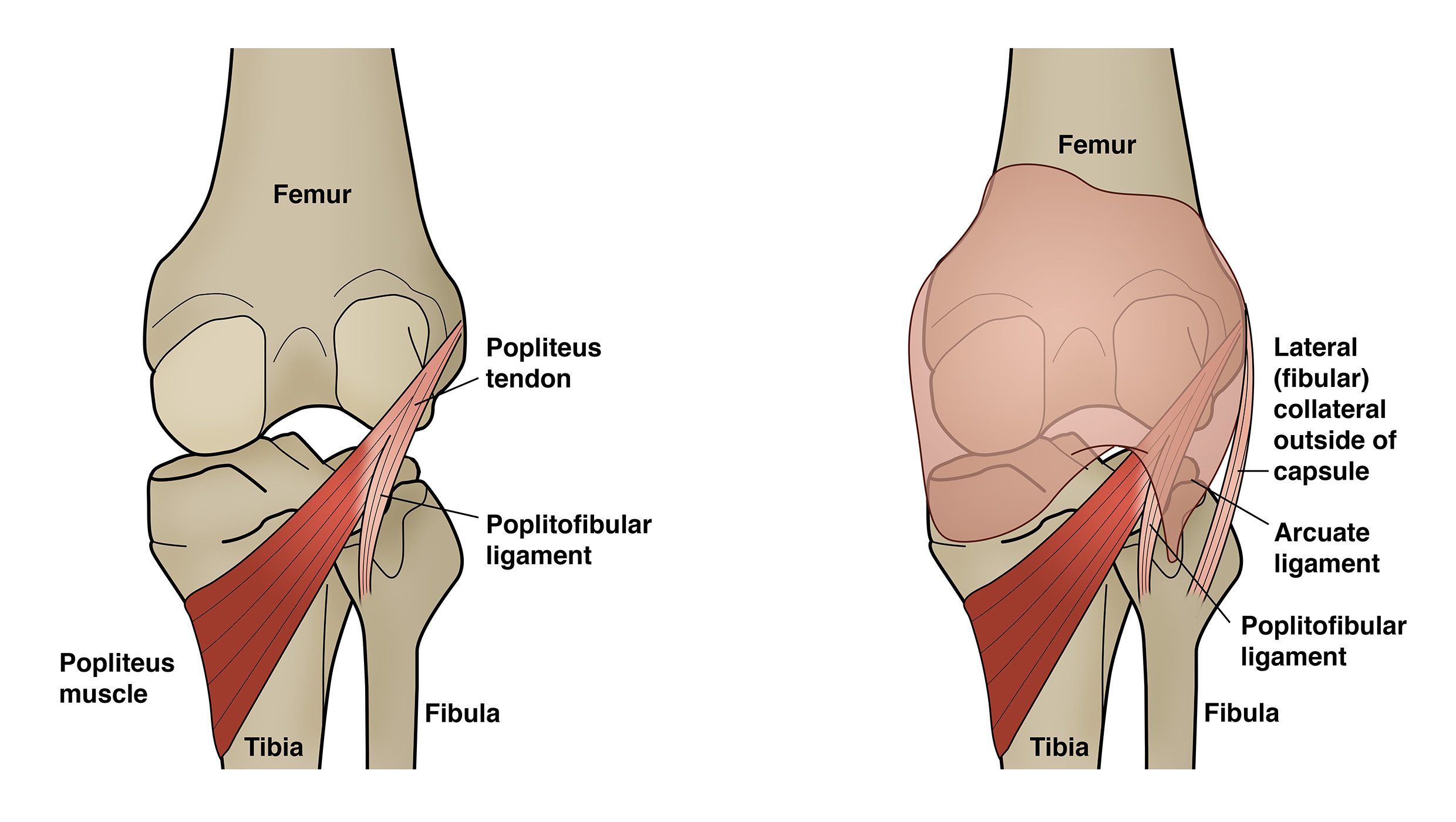
In this study, the researchers focused on a small, deep muscle behind the knee called the popliteus, which plays a key role in knee stability and control. Because it’s deep, it’s not always easy to address with hands-on techniques alone.
What the researchers did
They recruited 38 adults with knee osteoarthritis and randomly split them into two groups:
- Exercise + real dry needling
- Exercise + “sham” (simulated) needling, designed to feel similar but without actually piercing the skin
Both groups followed the same schedule for three weeks:
- Needling (or sham) once per week
- A knee OA exercise program four times per week
Then they checked in again after treatment—and later at 3 months and 6 months to see what stuck.
What they found
Both groups benefited from exercising (which is reassuring in itself). But overall, the group that received dry needling + exercise tended to do better than the group that did exercise with sham needling, especially for:
- Maximum pain relief
- Daily function and disability scores
- And some related factors like strength and how worried or fearful people felt about moving their knee
One of the more interesting parts: improvements in the dry needling group were still showing up at the 6-month follow-up, suggesting the changes weren’t just a short-lived boost.
The authors also reported no side effects were observed during the study’s follow-up period.
What this means if you have knee osteoarthritis
This study doesn’t claim dry needling “cures” knee arthritis. Osteoarthritis is complex, and there’s no single magic fix. But the findings suggest something practical: exercise is the foundation, and adding targeted dry needling may help reduce pain and improve function a bit more than exercise alone—possibly making it easier to move, strengthen, and stay consistent.
Excitingly, other studies have found completing dry needling in other muscles in the leg, like the thigh and the calf, help to decrease pain and improve knee function as well, so likely a combination of exercise and dry needling to different muscles in the leg is a great way to make your knee feel better when you have osteoarthritis.
Takeaway
If you have knee OA and you’re working on strength and movement (or want to start), that’s a great place to begin. This research suggests that adding dry needling to a well-structured exercise plan may offer extra improvement – especially for pain and day-to-day function – over the months that follow.
If this is something that you are struggling with and are interested in learning more, book an appointment with one of our physiotherapists (all of whom use dry needling daily in their practice!)
Short FAQ (common questions we hear)
Does dry needling hurt?
Most people feel a quick pinch or a crampy “twitch,” then a little bit of soreness afterwards (kind of like a workout). We can adjust the approach to keep it tolerable, and are mindful of keeping you comfortable throughout.
How many sessions do people usually need?
It depends on the goal and how your body responds. Some people notice change in 1–3 sessions, others need a little more, particularly if they have been having the issue for a while.
Is it safe?
Dry needling is a very safe procedure, and our physiotherapists are all highly proficient and experienced in the treatment technique. We’ll always review your health history and medications before starting to ensure you are an appropriate candidate for the treatment.
Is dry needling the same as acupuncture?
We use the same needle, but what we are doing with it, and the reasoning and goals behind it, are different. Dry needling is typically used to address muscle tightness, pain sensitivity, and movement limitations.
Will it “fix” my knee arthritis?
OA doesn’t usually have a single quick fix. Dry needling can be one helpful tool for symptoms, but exercise and a long-term plan are still the foundation.
Who might not be a good candidate?
We are unlikely to perform dry needling if you: have certain bleeding disorders, are taking blood thinners, have a needle phobia, are pregnant, have an unstable autoimmune disorder, or have an active cancer —this is why we always will screen you before we perform the treatment.
Want to learn more about IMS / Dry Needling at our clinic?
You can learn more about IMS/ dry needling on our dedicated web page: