Low back pain is one of the most common reasons people come to see us. It can feel like it came “out of nowhere” – one day you’re fine, the next day your back is stiff, sore, and everything feels like hard work.
In reality, low back pain usually builds up over time. It’s often the result of how you sit, move, and use (or don’t use) your hips and spine throughout the day. In this article, we’ll walk through three of the most common reasons people develop low back pain – and what you can start doing about it.
1. Tight Low Back and Hip Muscles From Prolonged Sitting
One of the biggest culprits we see in the clinic? Sitting. A lot.
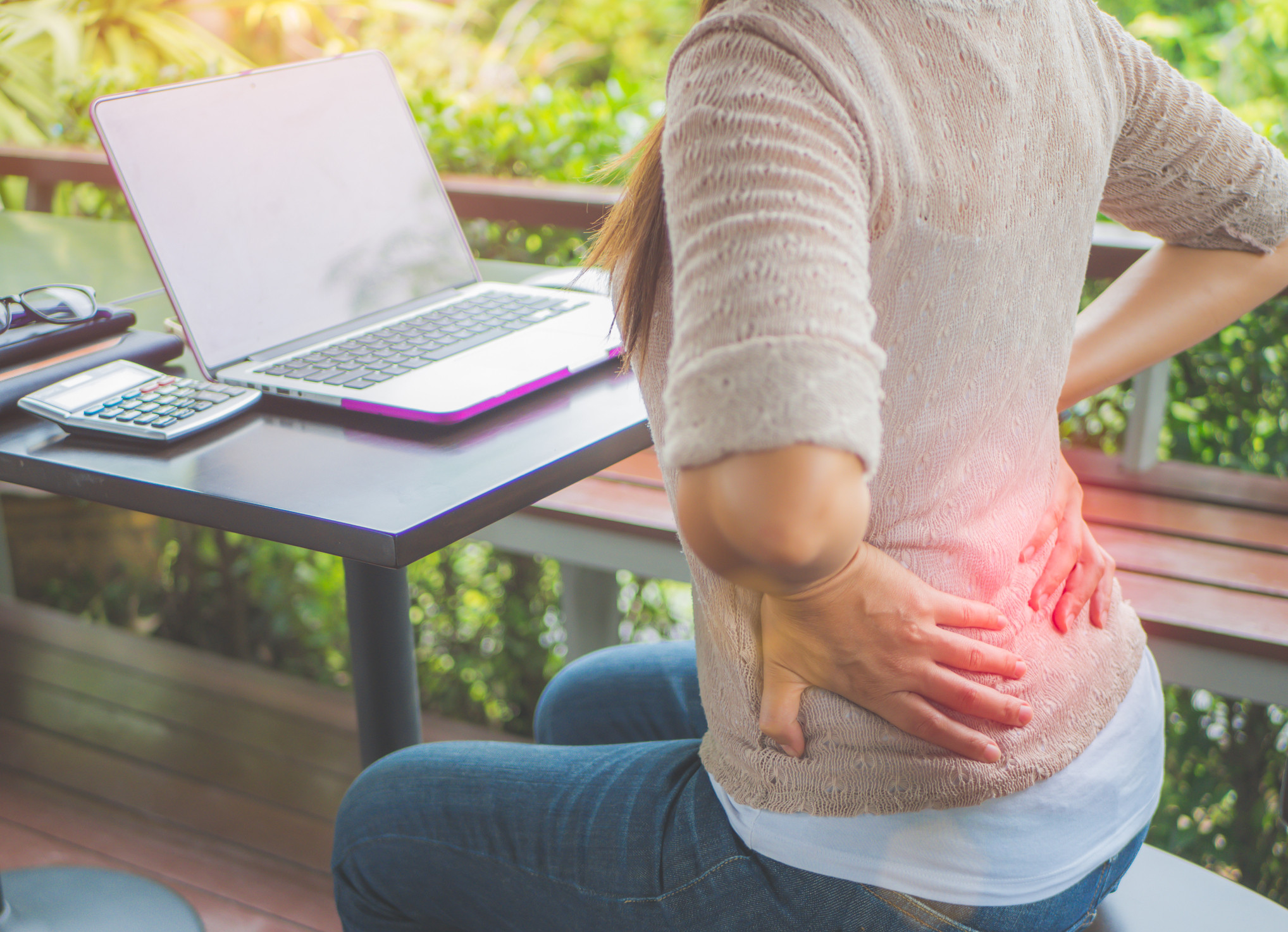
Many jobs now involve long hours at a desk, in a car, or on a laptop. When you sit for long periods, certain muscles work harder than they should while others become excessively tight:
- Hip flexors (front of the hip) tend to shorten and tighten, which can pull on your low back
- Glute muscles (your buttocks) become tight and weak, which is a really common issue we see
- Lower back muscles can become overworked as they try to compensate
Over time, this combination of tight hips and under-active glutes can change the way your pelvis and spine are positioned. Your low back muscles end up doing more stabilizing work than they were designed to do, which can lead to:
- Achy, tired muscles in the lower back
- Stiffness when you stand up after sitting
- A feeling that your back is “locked up” or “always tight”
What can help?
- Break up your sitting time. Aim to stand up, walk around, or change position every 30–60 minutes.
- Open up the hips. Gentle stretches for the front of the hips and thighs can reduce tension that pulls on the low back.
- Loosen up the glutes. Simple exercises like bridges, clamshells, and sit-to-stands can help your glutes support your back again.
These changes by themselves can make a big difference – and when combined with a tailored physio program, they can be powerful.
2. Decreased Hip Internal Rotation Leading to Referred Back Pain
This one sounds technical, but it’s actually quite simple – and very common.
Your hip joint is a ball-and-socket joint that should move freely in multiple directions, including internal rotation (when your thigh rotates inwards toward the midline). We often find that people with low back pain have stiff hips, especially with this inward rotation.
When the hip doesn’t move well, the body still has to find a way to get you into the positions you need – walking, squatting, bending, turning. If the hip is stiff, your body “borrows” movement from somewhere else. Very often, that “somewhere else” is your lower back.
Over time, this extra movement and strain in the lower back can lead to:
- Local low back pain
- Tightness through the buttock area
- Pain that seems to be in the back, but is actually being driven by the hip
This is what we mean by referred pain: the area that hurts isn’t always the original source of the problem.
Signs your hip might be involved:
- One hip feels “stiffer” than the other when you rotate or cross your leg
- You notice discomfort in the groin or side of the hip as well as the low back
- Walking, twisting, or turning can feel restricted on one side
What can help?
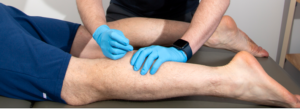
- Assessment of hip movement. A physiotherapist can check how much internal rotation you actually have and compare side to side.
- Targeted mobility work. Gentle joint and soft-tissue techniques plus specific stretches can restore hip movement.
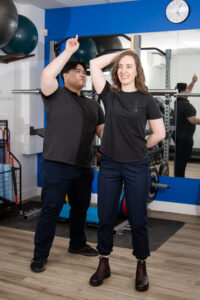
- Strength and control exercises. Improving hip strength and control takes pressure off the low back.
The key point: sometimes the low back is the “victim,” not the “villain.” Treating the hip often helps the back.
3. Hoping It Will “Just Go Away” – and the Vicious Cycle That Follows
The third big reason low back pain becomes a problem is not so much what started it, but what happens after it starts.
A very common pattern looks like this:
- Your back starts to ache – maybe after a busy week, a long drive, or a small strain.
- You assume it will settle on its own, so you cut back a little, rest more, and wait.
- Because it hurts, you move less.
- When you move less, the muscles around your back and hips get weaker and stiffer.
- Because they’re weaker and stiffer, your back feels more vulnerable and flares up more easily.
This is the vicious cycle of low back pain:
Pain → Less movement → Stiffness & weakness → More pain → Even less movement…
On top of this, it’s easy to start worrying about your back:
“What if I damage it more?”
“Maybe I shouldn’t bend or lift ever again.”
That fear often leads to even more avoidance of movement, which continues the cycle.
What can help?
- Early, active management. Getting your back assessed and treated early can stop the cycle from snowballing.
- Graded return to movement. Rather than complete rest, we usually recommend a gradual, guided return to normal activities.
- Education and reassurance. Understanding what’s going on (and what isn’t!) can reduce fear and help you feel more confident to move.
- A structured plan. Having a clear, step-by-step plan for exercises and activity changes makes it much easier to break the pattern.
The Takeaway: You Don’t Have to Live With It
Low back pain is common, but it’s not something you just have to “put up with” or blame on age, posture, or a “weak spine.” To summarize the most common reasons we see that cause low back pain:
- Tight low back and hip muscles from prolonged sitting
- Reduced hip internal rotation leading to referred pain in the lower back
- Ignoring the early warning signs and hoping it goes away compounding the above issues
These three factors are behind a lot of the back pain we see in the clinic – and the good news is, they’re all treatable.
If your low back has been nagging you for more than a couple of weeks, or if it keeps flaring up again and again, that’s your cue to get it properly assessed. The sooner you understand what’s driving your pain and start a targeted plan, the easier it is to break the cycle and get back to normal life.
You only get one back – look after it early, and it will look after you for a long time.